 Share
Share  Reddit
  X.com
X.com  Facebook
  Pinterest
  Threads
  Bluesky
  WhatsApp
  Telegram
  Messenger
  Email
Email Agile Development
Quick answer
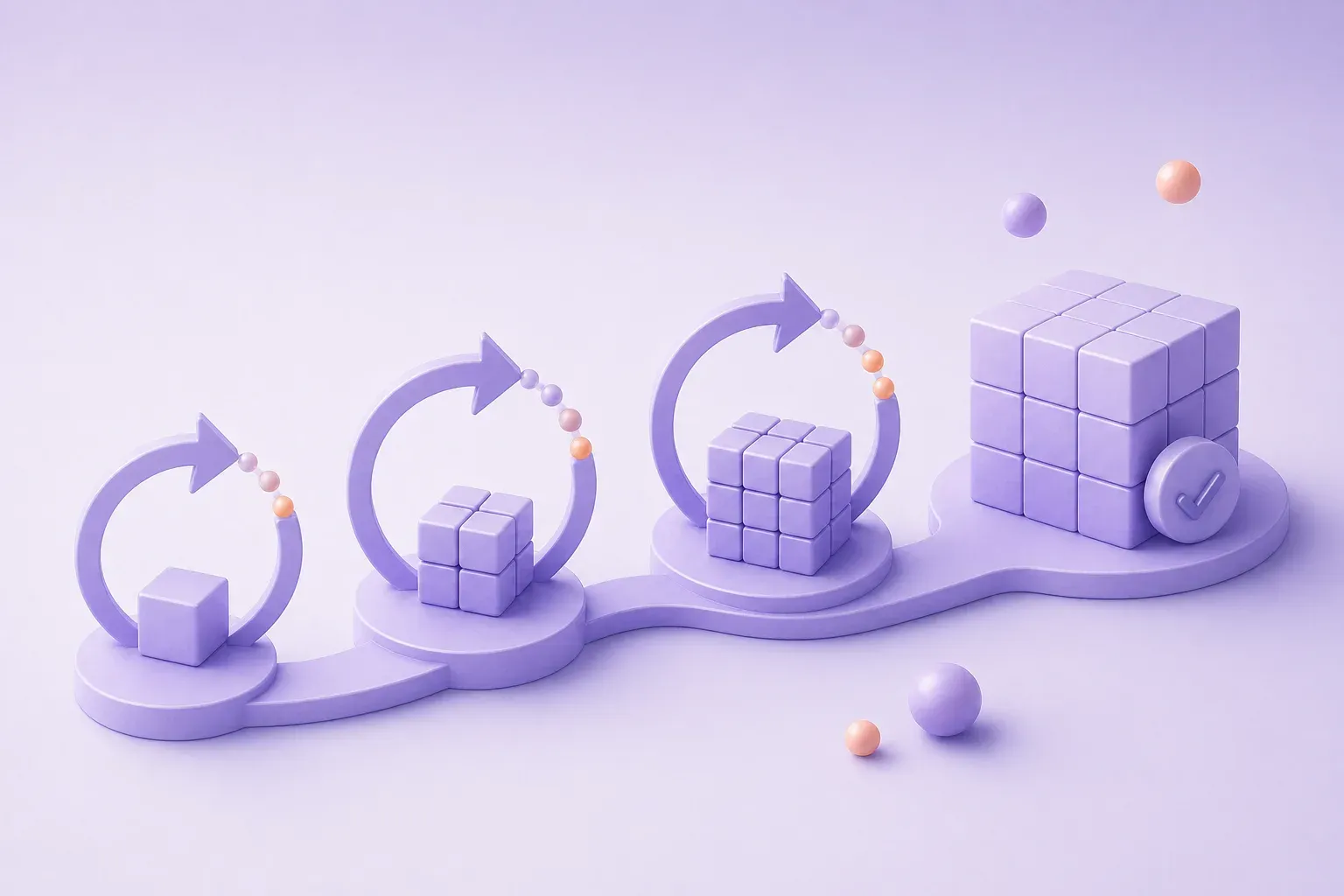
A methodology that prioritizes flexibility, customer satisfaction, and collaborative efforts in developing software products.
Have you ever faced situations in your business where you wished things were a bit more fluid, adaptable and able to respond seamlessly to changes? Enter Agile Development, an innovative framework that’s designed with these very goals in mind. Agile development prioritizes customer satisfaction, collaborative efforts, and flexibility during software development, which does wonders for malleable project frameworks in this rapidly changing digital era.
Let’s break it down a little. By focusing on short-term deliverables and frequent product reviews, agile development ensures that feedback is continually absorbed, enhancing the end result — leading to bright and beaming customers. Meanwhile, fostering a united, collaborative environment amongst your company’s developers empowers your team members, enhancing their creative minds while also raising the innovation bar. Processes are not restrained by restrictions that are not user-focused; teamwork, effective communication, and out-of-the-box thinking sprint to the forefront. Consequently, product quality keeps upgrading iteratively.
So, whether you’re the CEO of a glitzy software company, or a modest shop-owner finding your digital path, giving Agile Development a shot could lead to new avenues for innovation within your business. Take a leaf from this playbook and who knows? You might be inching closer towards being a pioneering innovator who’s agile enough to keep up with the topsy-turvy world of ever-changing tech trends!
The Origins of Agile Development
Emerging in the early 2000s, Agile Development addressed the common issues faced by traditional software development methodologies. Its evaluation was marked with the release of the Agile Manifesto, which laid the blueprint for a flexible, iterative, and customer-centric approach. It outlined the core values of seamless communication, openness to change, and rapid delivery of working solutions. In essence, the Agile Manifesto proclaimed that customer satisfaction, constant adjustments, and team collaboration should guide every innovation and development entity.
Insight Into Agile Frameworks: Scrum, Kanban, and More!
Various frameworks have been developed under the Agile umbrella, each with its unique characteristics tailored to diverse projects. Well-known Agile frameworks include Scrum, Kanban, and XP (eXteme Programming). Scrum employs regular time-boxed sprints, often in a team environment, with frequent review points to ensure adaptability and progress. Kanban, on the other hand, optimizes project flow by using a visual task management board showcasing the status of tasks dynamically. XP streamlines software development via programming practices to enhance collaboration and improve the final product anatomy. By understanding the differences among these Agile frameworks, businesses can select the one that best fits their specific needs and project constraints.
Agile Development in Action: A Case Study Approach
Let’s illustrate Agile development with a case study of a hypothetical software company: XYZ Inc. Their growth had plateaued due to slow product releases, unresolved defects, and declining customer satisfaction that resulted from using a traditional Waterfall model. XYZ’s leadership recognized the need for rapid improvement, so they hired a team of Agile coaches to implement a Scrum framework. Within months, XYZ doubled its release frequency, reduced defects by 70%, and received glowing feedback from customers about their responsiveness. Agile development proves a valuable asset in enhancing a company’s adaptability and customer focus.
Agile vs. the Traditional ‘Waterfall’ Method: Pros and Cons
Agile streamlined several operations that were not possible with the sequential process of Waterfall methodology. The key differences include flexibility and adaptability, whereby Agile allows for mid-project reviews and alterations, while Waterfall follows a fixed linear progression. Moreover, Agile promotes teamwork, collaboration, and collective decision-making, as opposed to the more siloed departmental approach taken in the Waterfall model. However, Agile may be less suitable to strictly regulated industries and businesses that prioritize upfront planning and documentation, making it crucial to choose the right methodology based on project needs and organizational culture.
Maximizing Business Growth With Agile Development
The adoption of Agile Development can propel your business forward. Agile helps foster a culture of continuous improvement, effective collaboration, and rapid delivery of value to customers. Engaging stakeholders, prioritizing features, and being responsive to customer demands support innovation and growth. Being able to address concerns as they arise ensures that your product or service stays competitive, relevant, and aligned with the market.
FAQ
What Are the Key Principles of Agile Development?
Agile Development focuses on rapid access to market, flexibility, prioritizing customer satisfaction, collaboration, and quick iterative learning to adapt and improve continuously through incremental progress.
How Does Agile Development Differ From Other Project Management Methodologies?
Unlike traditional Waterfall models, Agile methodologies adopt an adaptive mindset, emphasizing customer focus, constant iteration, and adjusting course due to changing dynamics to remain competitive and relevant.
What Are the Benefits of Implementing Agile Development in My Business?
Implementing Agile can increase business growth, leveraging quick product release cycles, reduced defects, enhanced customer satisfaction, and fostering a company culture of continuous learning, adaptation, and innovation.
What Challenges Should I Expect When Transitioning to Agile Development?
Challenges include employee resistance, difficulties integrating with rigid procedures and policies, lack of available training materials for Agile methods, and balancing process documentation with the Agile approach.
Can Agile Development Be Applied to Fields Beyond Software Development?
Absolutely! While Agile initially emerged in response to software development challenges, its principles and frameworks have since proven beneficial in many industries and project types seeking efficient, adaptive, and customer-driven processes.

Mikkel @mkl_vang
Covers operational innovation, AI implementation patterns, and how teams ship useful change without theater.